In 2026, leading manufacturers are rapidly transforming their operations by harnessing the vast volumes of data generated by connected machines, sensors, and industrial IoT (IIoT) systems. This data is becoming the core fuel for advanced analytics and AI-driven decision-making — and it is redefining what smart manufacturing means.
Why Manufacturers Are Accelerating Technology Adoption
Several powerful forces are driving this shift. First, persistent cost pressures — rising labor costs, volatile energy prices, and increasing raw material expenses — are squeezing margins across industries. Manufacturers are responding with real-time monitoring, AI-based optimization, and digital twins to systematically identify inefficiencies and drive continuous improvement.
Second, global supply chain disruptions have prompted a shift toward reshoring and regionalized production. While this improves resilience, it introduces higher operating costs. Newly built or modernized facilities are being designed with advanced automation, robotics, and digital control systems from day one.
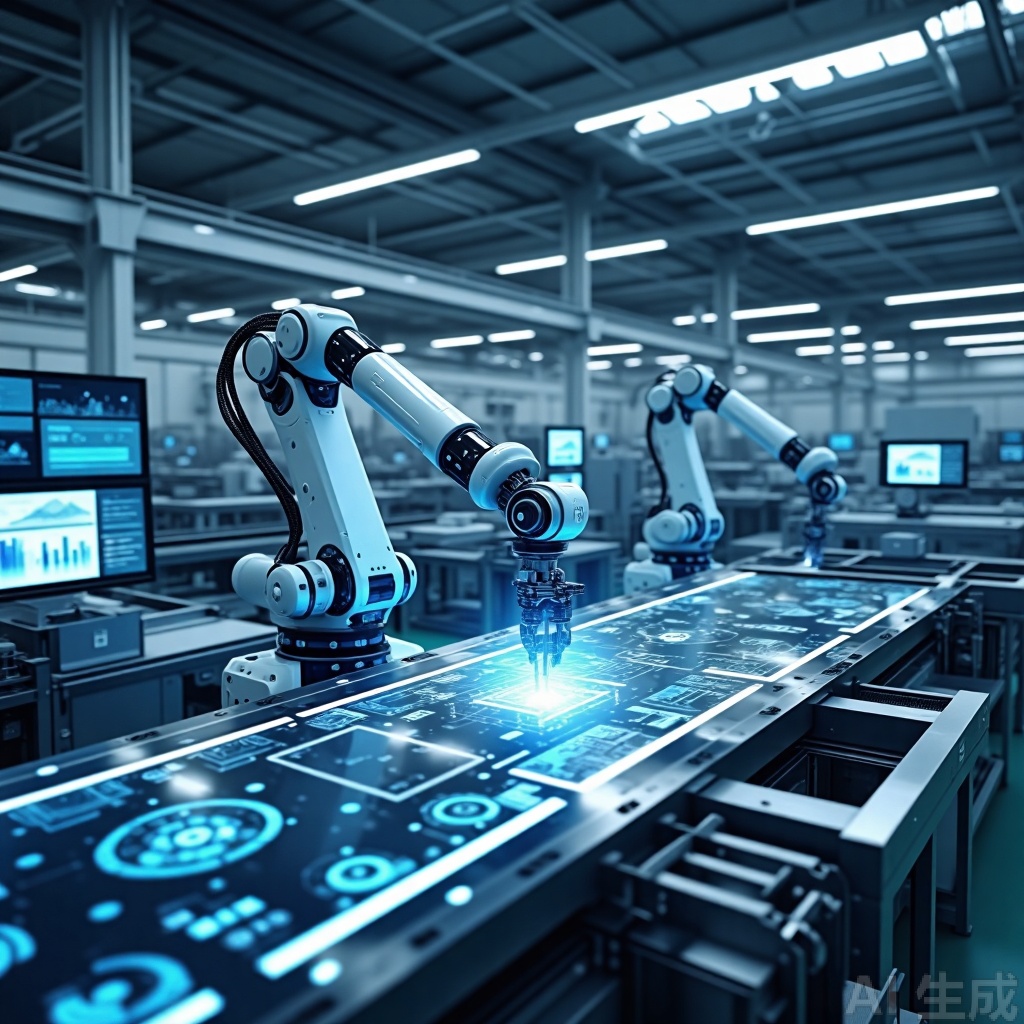
Third, workforce challenges are intensifying. Many industrial sectors face chronic labor shortages, particularly in skilled trades. Rather than relying solely on hiring, manufacturers are deploying collaborative robots (cobots), augmented reality (AR) for remote assistance, and AI-driven quality inspection systems to bridge the skills gap.
AI Emerges as the Central Driver
AI has moved from pilot projects to scaled deployment across production, maintenance, quality, and supply chain functions. Use cases such as predictive maintenance, demand forecasting, process optimization, and computer vision-based inspection all deliver measurable ROI — reinforcing the business case for further investment.
Importantly, AI is also enabling more autonomous operations, where systems can make and execute decisions with minimal human intervention. This is a key milestone on the path toward Industry 5.0.
What’s Ahead: Edge Computing and Digital Twins
Two trends are deepening in 2026. First, the integration of AI with real-time analytics at the edge. As latency-sensitive use cases grow — such as closed-loop process control and autonomous robotics — processing data closer to where it is generated is becoming essential.
Second, digital twins and simulation technologies are gaining traction. By creating virtual replicas of physical assets and processes, manufacturers can test scenarios, optimize configurations, and predict outcomes before making changes in the real world.
Avada Tools: Supporting the Smart Factory of Tomorrow
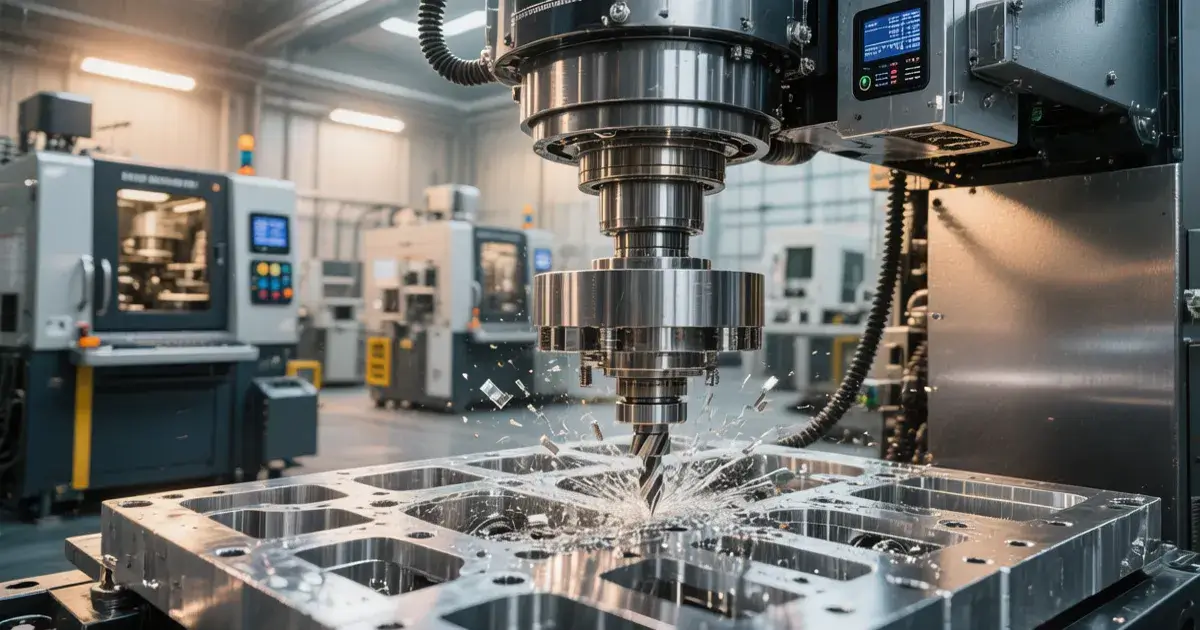
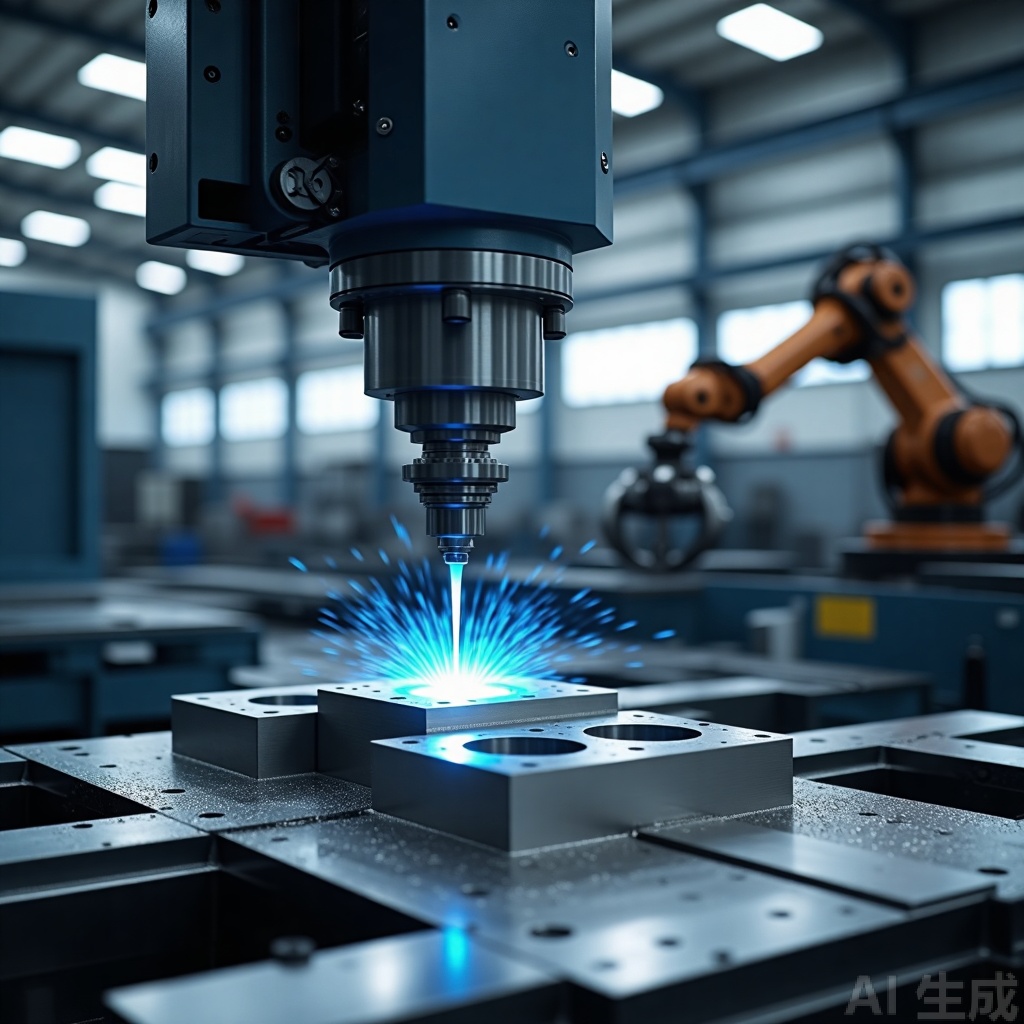
At Avada Tools, we understand that smart manufacturing requires precision components that meet the tightest tolerances. Our CNC machining services — with capabilities up to ±0.01mm — support manufacturers building the next generation of automated, data-driven production systems.
Whether you need precision-machined parts for robotic assemblies, custom tools for automated production lines, or prototype components for digital twin validation, our ISO 9001-certified facility in Yongkang, China is ready to support your smart manufacturing initiatives.
Conclusion
Smart manufacturing is no longer optional — it is becoming a baseline requirement. Manufacturers that effectively leverage data, analytics, and AI will be better positioned to navigate cost pressures, supply chain volatility, and workforce constraints. Those that lag risk falling behind in an increasingly digital and automated industrial landscape.
Based on reporting from RT Insights. Avada Tools provides precision CNC machining and custom manufacturing solutions for the smart factories of today and tomorrow. Contact us at Info@Avadatools.com to discuss your next project.
about
avada factory
Avada Tools is an ISO 9001-certified CNC machining manufacturer based in Yongkang, China. Since 2012, we have delivered precision custom metal parts and manufacturing solutions to clients across 40+ countries worldwide.